






Sintterikytkin Explained: Benefits, Uses, and Key Features
Sintterikytkin! When it comes to industrial machinery, automotive systems, and mechanical power transmission, choosing the right type of clutch component plays an important role in performance,...

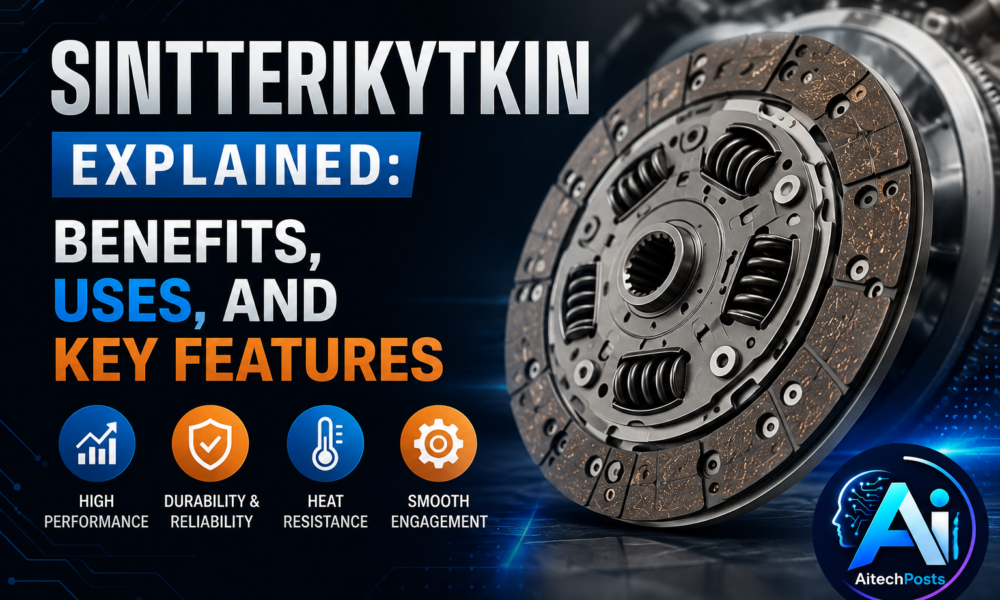
Sintterikytkin! When it comes to industrial machinery, automotive systems, and mechanical power transmission, choosing the right type of clutch component plays an important role in performance, durability, and efficiency. One such specialized component that has gained attention in engineering applications is the Sintterikytkin.
Table Of Content
- High Torque Capacity
- Excellent Heat Resistance
- Increased Durability
- Faster Power Transfer
- Suitable for Extreme Conditions
- Better Performance
- Longer Service Life
- Handles Higher Loads
- Improved Reliability
- Reduced Risk of Clutch Failure
- Motorsport Vehicles
- Performance Cars
- Industrial Machinery
- Agricultural Equipment
- Commercial Vehicles
- More Aggressive Engagement
- Increased Noise and Vibration
- Higher Initial Cost
- What does Sintterikytkin mean?
- Is Sintterikytkin better than a normal clutch?
- Where is Sintterikytkin commonly used?
- Does Sintterikytkin last longer?
- Is Sintterikytkin suitable for daily driving?
The term Sintterikytkin comes from Finnish, where “sintteri” refers to sintered material and “kytkin” means clutch. In simple terms, a Sintterikytkin is a sintered clutch that uses friction materials created through a sintering process. These clutches are designed to handle demanding conditions where high performance, heat resistance, and durability are required.
This article explains what a Sintterikytkin is, how it works, its benefits, common uses, and key features that make it different from traditional clutch systems.
What Is a Sintterikytkin?
A Sintterikytkin is a type of high-performance clutch that uses sintered friction material instead of conventional organic friction materials. The sintering process involves combining and compressing powdered metals or materials under high pressure and heat to create a strong, durable surface.
Unlike standard clutches that are mainly designed for everyday driving or light-duty applications, Sintterikytkin systems are built for situations where higher torque capacity and better resistance to extreme conditions are needed.
The unique construction allows these clutches to manage higher temperatures and heavier loads, making them suitable for motorsports, industrial machinery, and performance vehicles.
How Does a Sintterikytkin Work?
The working principle of a Sintterikytkin is similar to a traditional clutch. Its main purpose is to connect and disconnect power transmission between an engine or motor and a gearbox or driven system.
When the clutch pedal or control mechanism is engaged, the clutch separates the power source from the transmission. When released, the clutch plate creates friction against the flywheel, transferring power efficiently.
The difference lies in the friction material.
A Sintterikytkin uses sintered compounds that provide:
- Higher friction levels
- Better heat resistance
- Increased durability under pressure
- Improved torque handling capability
Because of these characteristics, Sintterikytkin systems can perform effectively in environments where conventional clutch materials may wear quickly.
The Sintering Process Behind Sintterikytkin
The main feature that separates a Sintterikytkin from traditional clutch systems is the use of sintered friction material.
During manufacturing, powdered materials such as metals and specialized compounds are shaped and heated until they bond together. This creates a friction surface with excellent mechanical strength.
The sintering process provides several advantages:
- Increased resistance to heat
- Improved wear performance
- Stronger friction characteristics
- Ability to handle extreme operating conditions
This technology allows Sintterikytkin components to maintain performance even when exposed to repeated stress and high temperatures.
Key Features of Sintterikytkin
A Sintterikytkin offers several important features that make it valuable for demanding applications.
High Torque Capacity
One of the biggest advantages of a Sintterikytkin is its ability to handle high torque levels. This makes it suitable for powerful engines and heavy-duty machinery.
The stronger friction material allows better power transfer without excessive slipping.
Excellent Heat Resistance
Clutches generate heat during operation, especially when dealing with heavy loads or frequent engagement.
The sintered material used in a Sintterikytkin can withstand higher temperatures compared to many conventional clutch materials.
This makes it reliable in applications where overheating is a common concern.
Increased Durability
Durability is another important benefit of Sintterikytkin systems. The strong friction surface helps reduce wear, extending the operational life of the clutch.
This is particularly useful in racing vehicles, industrial equipment, and environments where frequent clutch replacement is costly.
Faster Power Transfer
Because of its high friction characteristics, a Sintterikytkin can provide quicker engagement and more direct power transmission.
This feature is especially valued in performance-focused applications where rapid response is important.
Suitable for Extreme Conditions
Many mechanical systems operate under challenging conditions involving heavy loads, high temperatures, and repeated stress.
Sintterikytkin components are designed to perform reliably in these environments.
Benefits of Using Sintterikytkin
Choosing a Sintterikytkin provides several advantages compared to traditional clutch solutions.
Better Performance
A Sintterikytkin improves power transfer efficiency by providing stronger friction between clutch surfaces.
For performance vehicles and industrial applications, this can result in improved responsiveness and handling.
Longer Service Life
The durable construction of sintered materials helps reduce wear, allowing the clutch to operate effectively for longer periods.
This can reduce maintenance requirements and replacement costs over time.
Handles Higher Loads
Standard clutches may struggle under extreme torque conditions. A Sintterikytkin is designed specifically to manage higher loads without losing performance.
This makes it ideal for applications requiring strong mechanical reliability.
Improved Reliability
In demanding environments, equipment reliability is critical. A Sintterikytkin helps maintain consistent performance even during intensive operation.
Reduced Risk of Clutch Failure
Heat and excessive friction are common causes of clutch failure. The heat-resistant properties of sintered materials help reduce these risks.
Common Applications of Sintterikytkin
Sintterikytkin systems are used in various industries where performance and durability are essential.
Motorsport Vehicles
One of the most popular uses of Sintterikytkin technology is in racing and performance vehicles.
Motorsport applications require components that can handle:
- High engine power
- Rapid gear changes
- Extreme temperatures
- Frequent clutch engagement
The strong friction characteristics of Sintterikytkin make it suitable for these demanding conditions.
Performance Cars
Car enthusiasts often choose Sintterikytkin systems when modifying vehicles for increased power output.
High-performance engines produce more torque, requiring stronger clutch solutions to transfer power effectively.
Industrial Machinery
Heavy machinery often operates under continuous stress. Manufacturing equipment, construction machinery, and mechanical systems may use Sintterikytkin components for reliable operation.
Agricultural Equipment
Farming machinery frequently requires durable components because of heavy workloads and long operating hours.
Sintterikytkin systems can provide the strength needed for agricultural applications.
Commercial Vehicles
Some heavy-duty vehicles require enhanced clutch systems to manage increased loads and frequent usage.
Sintterikytkin technology can improve durability in these situations.
Sintterikytkin vs Traditional Clutch Systems
Understanding the difference between a Sintterikytkin and a conventional clutch helps explain why it is preferred in demanding applications.
Traditional clutch systems usually use organic friction materials. These materials provide smoother engagement and are suitable for normal driving conditions.
However, they may experience:
- Faster wear under heavy loads
- Reduced performance at high temperatures
- Lower torque capacity
A Sintterikytkin provides stronger friction and better heat resistance but may have a more aggressive engagement feel.
The right choice depends on the application and performance requirements.
Possible Limitations of Sintterikytkin
Although Sintterikytkin offers many benefits, it may not be the ideal choice for every situation.
Some possible disadvantages include:
More Aggressive Engagement
Because of higher friction levels, Sintterikytkin systems may engage more suddenly compared to standard clutches.
This can make them less comfortable for everyday city driving.
Increased Noise and Vibration
Some sintered clutch systems can produce more mechanical noise or vibration because of their rigid construction.
Higher Initial Cost
Advanced materials and manufacturing processes can make Sintterikytkin systems more expensive than traditional alternatives.
However, the improved durability and performance can justify the investment for suitable applications.
How to Choose the Right Sintterikytkin
Selecting the correct Sintterikytkin depends on several factors.
Consider:
- Vehicle or machine power output
- Torque requirements
- Operating environment
- Usage frequency
- Performance expectations
- Budget considerations
A clutch designed for racing may not be suitable for everyday transportation. Similarly, a standard clutch may not meet the needs of heavy-duty applications.
Choosing the right specification ensures better performance and longer service life.
Maintenance Tips for Sintterikytkin Systems
Proper maintenance helps maximize the lifespan of a Sintterikytkin.
Important maintenance practices include:
- Regularly inspecting clutch components
- Avoiding unnecessary clutch slipping
- Checking related transmission parts
- Following manufacturer recommendations
- Addressing unusual noises or performance issues early
Although Sintterikytkin systems are highly durable, proper usage and maintenance remain essential.
Future of Sintterikytkin Technology
As industries continue to demand higher efficiency and stronger mechanical performance, advanced clutch technologies are becoming increasingly important.
Developments in material science may continue improving sintered friction materials, making Sintterikytkin systems even more efficient and durable.
The technology is expected to remain valuable in areas such as motorsports, industrial automation, heavy machinery, and high-performance vehicles.
Frequently Asked Questions About Sintterikytkin
What does Sintterikytkin mean?
Sintterikytkin means a sintered clutch. It uses friction materials made through the sintering process to provide improved durability and performance.
Is Sintterikytkin better than a normal clutch?
A Sintterikytkin is better for high-performance and heavy-duty applications because it handles more heat and torque. However, a standard clutch may be more comfortable for everyday driving.
Where is Sintterikytkin commonly used?
Sintterikytkin systems are commonly used in motorsport vehicles, performance cars, industrial machinery, agricultural equipment, and heavy-duty applications.
Does Sintterikytkin last longer?
Yes, the durable sintered material generally provides a longer service life under demanding conditions compared to many conventional clutch materials.
Is Sintterikytkin suitable for daily driving?
It depends on personal preference and vehicle requirements. Some drivers may find the engagement characteristics less comfortable for regular city driving.
Conclusion
A Sintterikytkin is a high-performance clutch solution designed for situations where strength, durability, and heat resistance are essential. By using sintered friction materials, these clutches provide better torque handling, improved reliability, and stronger performance compared to traditional clutch systems.
While they may not be necessary for every vehicle or machine, Sintterikytkin systems are highly valuable in demanding environments such as motorsports, industrial applications, and heavy-duty equipment.
Understanding the benefits, uses, and key features of Sintterikytkin helps businesses, engineers, and vehicle enthusiasts choose the right clutch technology for their specific needs.







No Comment! Be the first one.